
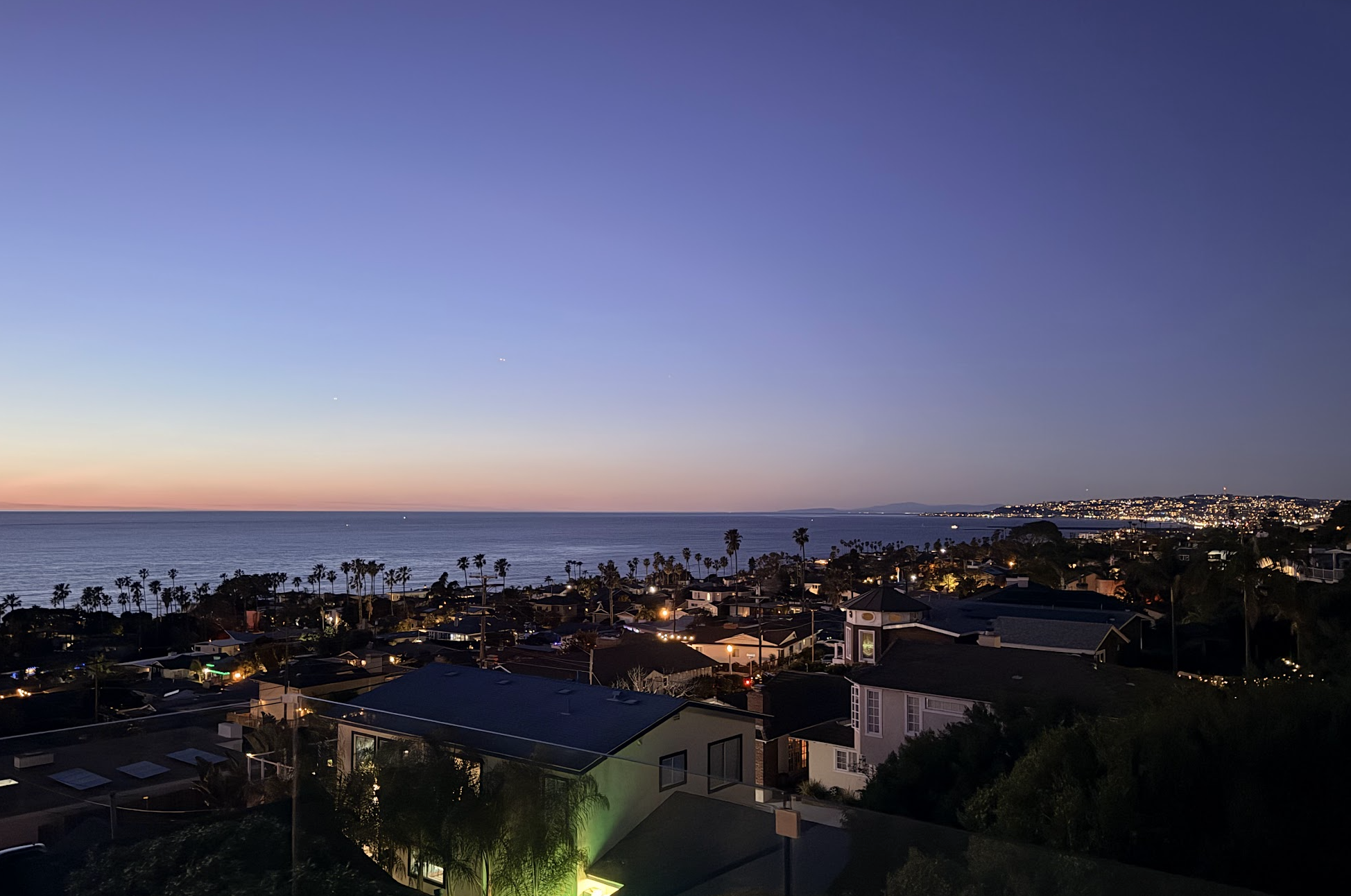
One of the things that makes Ocean Beach special is its views.
Whether it's a glimpse of the Pacific, a sunset over the cliffs, or a panoramic view from the Highlands, those views are part of what makes people fall in love with the neighborhood.
But here's something many buyers—and even some homeowners—don't realize:
Some homes in Ocean Beach have deeded height restrictions that were put in place decades ago to protect neighboring views.
These restrictions can have a significant impact on what you can build, how much you can expand your home, and in some cases, the value of the property itself.
If you're buying, selling, or thinking about remodeling in Ocean Beach, here's what you should know.
What Is a Deeded Height Restriction?
A deeded height restriction is exactly what it sounds like.
It's a private restriction recorded against a property's title that limits how tall a structure can be built.
Unlike city zoning rules, these restrictions aren't created by the City of San Diego. They're typically established by a developer or property owner and become part of the property's deed.
In many Ocean Beach neighborhoods, especially those on the hillside, these restrictions were created to preserve the views of neighboring homes.
In other words, just because zoning might allow a second story doesn't necessarily mean you're allowed to build one.
Why Do They Exist?
Many of these restrictions date back to the original development of Ocean Beach.
Developers understood that views were one of the neighborhood's most valuable assets.
Rather than allowing every future owner to build as high as possible, some subdivisions included recorded height limits designed to preserve views throughout the neighborhood.
The idea was simple:
If every homeowner added another story, eventually everyone would lose the very thing that made the neighborhood desirable.
While not every subdivision adopted these restrictions, several did—and they continue to affect properties today.
Where Are They Found?
There's no single rule that applies to all of Ocean Beach.
Some streets have deed restrictions.
Others don't.
Even homes next door to one another may have different recorded restrictions depending on when the lots were created or how the subdivision was developed.
These restrictions are most commonly found in parts of the Ocean Beach Highlands and other elevated neighborhoods where protecting views was a priority.
Because they're tied to individual properties, the only way to know for certain is to review the property's title documents.
How Are They Different From the City's 30-Foot Height Limit?
This is where many buyers get confused.
Much of coastal San Diego is already subject to the voter-approved 30-foot coastal height limit.
That's a public regulation that applies broadly throughout the Coastal Zone.
A deeded height restriction is different.
It's a private agreement attached to a specific property.
That means a home could be subject to:
- the City's zoning regulations,
- the Coastal Height Limit,
- and a separate deed restriction.
The most restrictive rule generally becomes the one that controls what can actually be built.
What Does This Mean for Buyers?
If you're buying a home because you're hoping to add a second story or expand in the future, this is something worth investigating before you close escrow.
I've seen buyers assume they could build upward because neighboring homes had done so, only to discover their particular lot had additional restrictions.
That doesn't necessarily make the property less desirable.
In fact, sometimes it's the opposite.
If your home benefits from protected views because neighboring lots have height restrictions, that can be a valuable feature.
The key is simply understanding what rights come with the property before making long-term plans.
What Does This Mean for Sellers?
If your property benefits from protected views because of neighboring deed restrictions, that's often worth mentioning in your marketing.
Buyers place a premium on views, but they also appreciate knowing those views are less likely to disappear because someone builds a much taller home next door.
On the other hand, if your own property is subject to a height restriction, it's something buyers should understand early in the process.
Clear communication helps avoid surprises and builds confidence.
Can These Restrictions Be Changed?
Sometimes—but it's rarely simple.
Because these are private legal agreements, modifying or removing them often requires the consent of the parties who benefit from the restriction, along with legal review.
Every situation is different.
Some restrictions may no longer be enforceable because of changes over time.
Others remain fully valid.
If you're considering a significant remodel, it's worth discussing the issue with your architect, title company, and, when appropriate, a real estate attorney before finalizing plans.
Don't Assume Every View Is Protected
One of the biggest misconceptions I hear is that all Ocean Beach views are protected.
They're not.
Some neighborhoods have deed restrictions.
Some rely only on city regulations.
Others have no private height restrictions at all.
That's why every property should be evaluated individually.
If views are an important part of your buying decision, don't rely on assumptions.
Verify what's actually recorded against the property.
One More Thing to Keep in Mind
Even when a neighboring property doesn't have a deeded height restriction, there may be other factors that limit future development.
Lot size, setbacks, zoning, the Coastal Overlay Zone, environmental regulations, and design review requirements can all influence what can and cannot be built.
That's another reason local knowledge can be so valuable when evaluating Ocean Beach properties.
The answer often isn't as simple as measuring a lot and looking at a zoning map.
Final Thoughts
Ocean Beach's deeded height restrictions are one of those hidden details that make the neighborhood unique.
Most people never think about them until they're buying a home, planning a remodel, or wondering whether a cherished view will still be there in ten years.
For some homeowners, these restrictions limit future expansion.
For others, they help preserve one of the property's most valuable features.
Neither is inherently good or bad.
The important thing is understanding the rules before making a major real estate decision.
If you're buying or selling in Ocean Beach and have questions about deed restrictions, view corridors, remodeling potential, or how these issues affect a specific property, I'd be happy to help you navigate them. Some of the most valuable information about a home isn't immediately visible—and knowing where to look can make all the difference.
Check out this article next